Connecting global leaders and decision makers through generations.
The Grabbi family saga is a tapestry woven with threads of Estonian heritage and American opportunity, spanning many generations and two continents. Their narrative embodies the quintessence of transatlantic resilience and adaptability, a testament to the indomitable human spirit in the face of historical upheaval. From the nascent days of Estonian independence to the bustling metropolises of modern America, the Grabbi’s have consistently exemplified a commitment to visionary innovation, intellectual rigor, and tireless public service. Their journey reflects the Latin maxim "Per aspera ad astra" - through hardships to the stars - encapsulating their ascent from the crucible of war-torn Europe towards the pinnacles of achievement in their adopted homeland, all while maintaining an unbreakable connection to their Estonian roots.
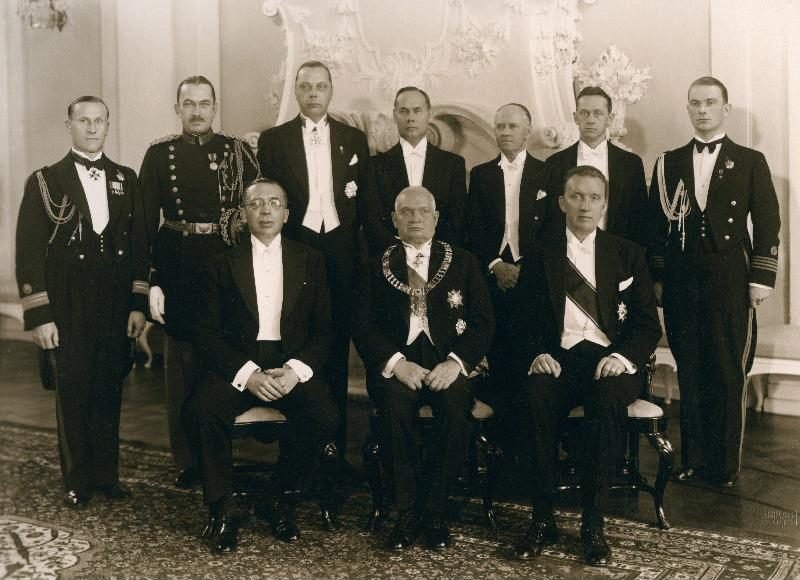
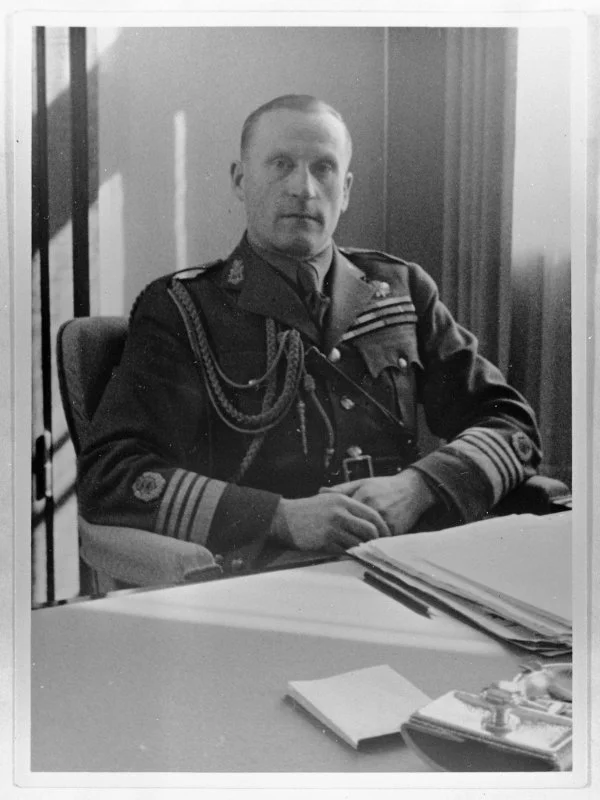
Herbert Felix Grabbi, (1896 - 1942), an early patriarch of the family, played a crucial role in shaping the early years of Estonia's independence. Born into a turbulent world, Herbert fought valiantly in Estonia's War of Independence, a young man with nothing but his resolve and a rifle in hand. His intellect and ambition propelled him beyond the battlefield to Estonia’s top military academy and eventually the prestigious École de Guerre in Paris, where his tactical brilliance was honed. His appointment as Senior Commanding Officer to the President of the first Republic of Estonia in 1934 solidified his role as a polymath statesman, adept at military strategy, diplomatic finesse, and policy-making. Herbert's multifaceted expertise proved instrumental in laying the foundations of the western facing Estonian republic. Alongside his stately duties, Herbert established a global network of dignitaries consisting of world leaders, business titans and creative intelligentsia, that he convened for various diplomatic and social affairs.
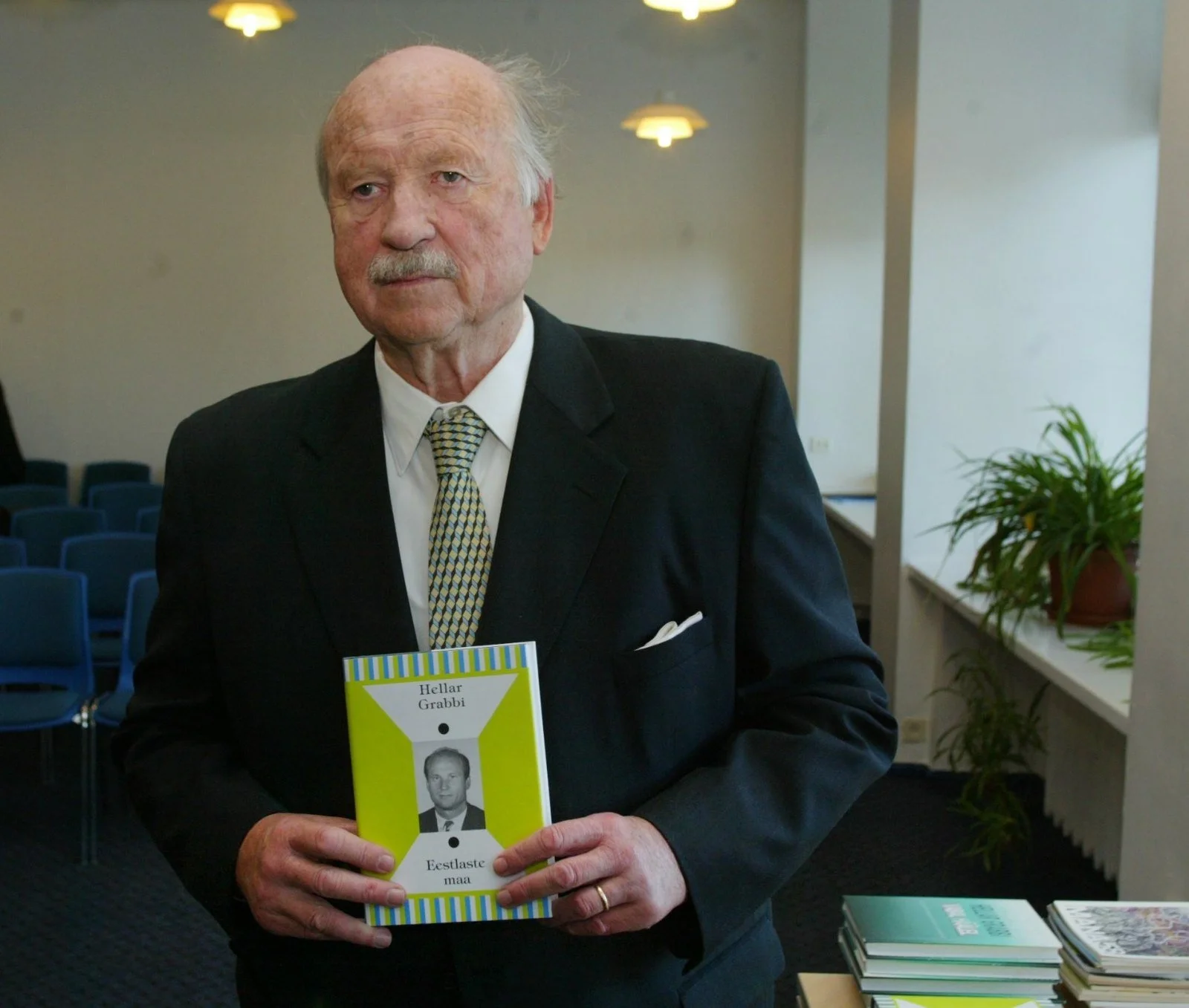
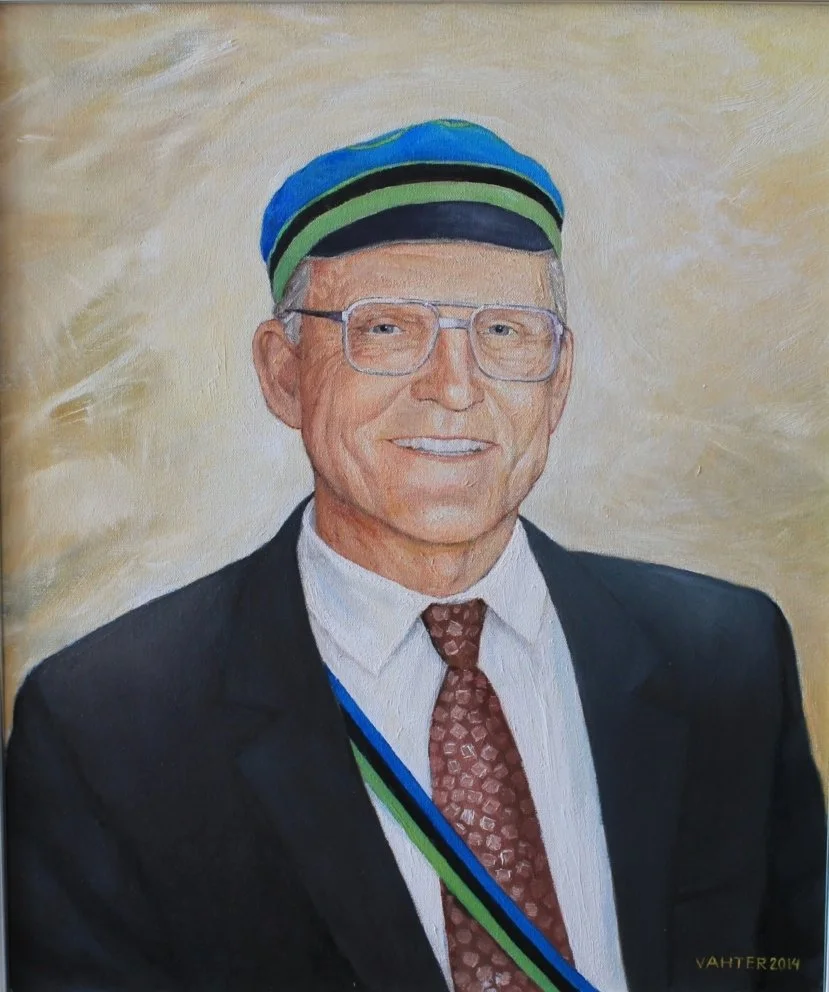
Hellar Enari Grabbi (1929 - 2018) and Rein Grabbi (1934 - ), Herbert's two sons, faced significant challenges as they were forced to flee Estonia at a young age. They spent five years in a displaced persons camp in Germany before immigrating to the United States. Hellar pursued higher education at Columbia University and became a respected political philosopher, author, and advisor to influential figures, including heads of state and ambassadors. Rein, on the other hand, earned his degree from Stanford and established himself as a prominent rocket scientist. He worked with NASA, the European Space Agency, and numerous private sector firms contributing to groundbreaking aerospace research. Additionally, Rein is an accomplished mountaineer who made history as the first Estonian to summit Aconcagua in 1995.
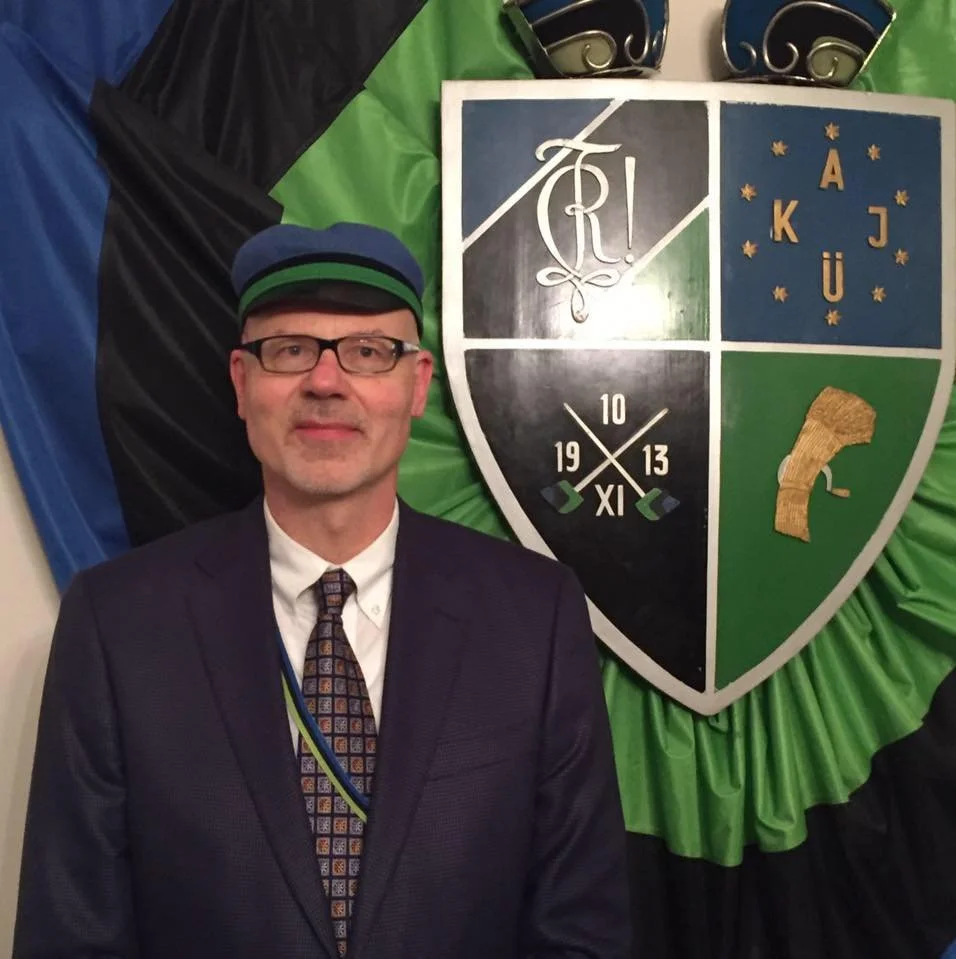
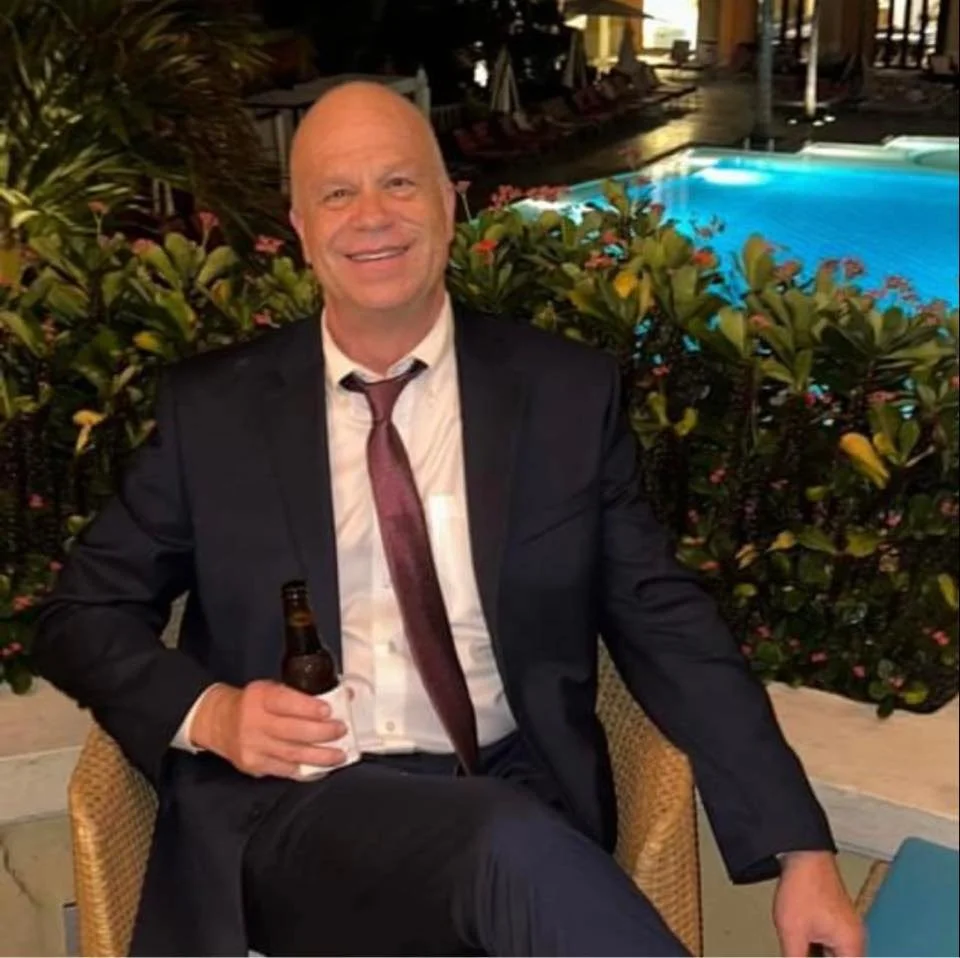
Indrek Sven Grabbi (1958 - ), Hellar's son, was born in New York City and focused his career on economics. He rose to a senior position at the U.S. Department of Commerce, where he represented American semiconductor interests in international trade negotiations. He increased the international competitiveness of U.S. semiconductor companies by negotiating with the Governments of China, South Korea, Japan, Chinese Taipei, and the European Union. He also developed and led the U.S Government strategy for trade policy and export promotion for the semiconductor and scientific instruments industries. Indrek now serves as a philanthropist and community leader while overseeing the Estonian military museum located in the same building that housed the military academy once run by his grandfather. He is also a leader of the Tallinn International Rotary Club.
Indrek's brother, Kristjan Kalev Grabbi (1960 - ), trained in geography and became a senior analyst for the U.S. Department of Defense. Together, the brothers embody the duty and honor passed down through generations of Grabbi’s.
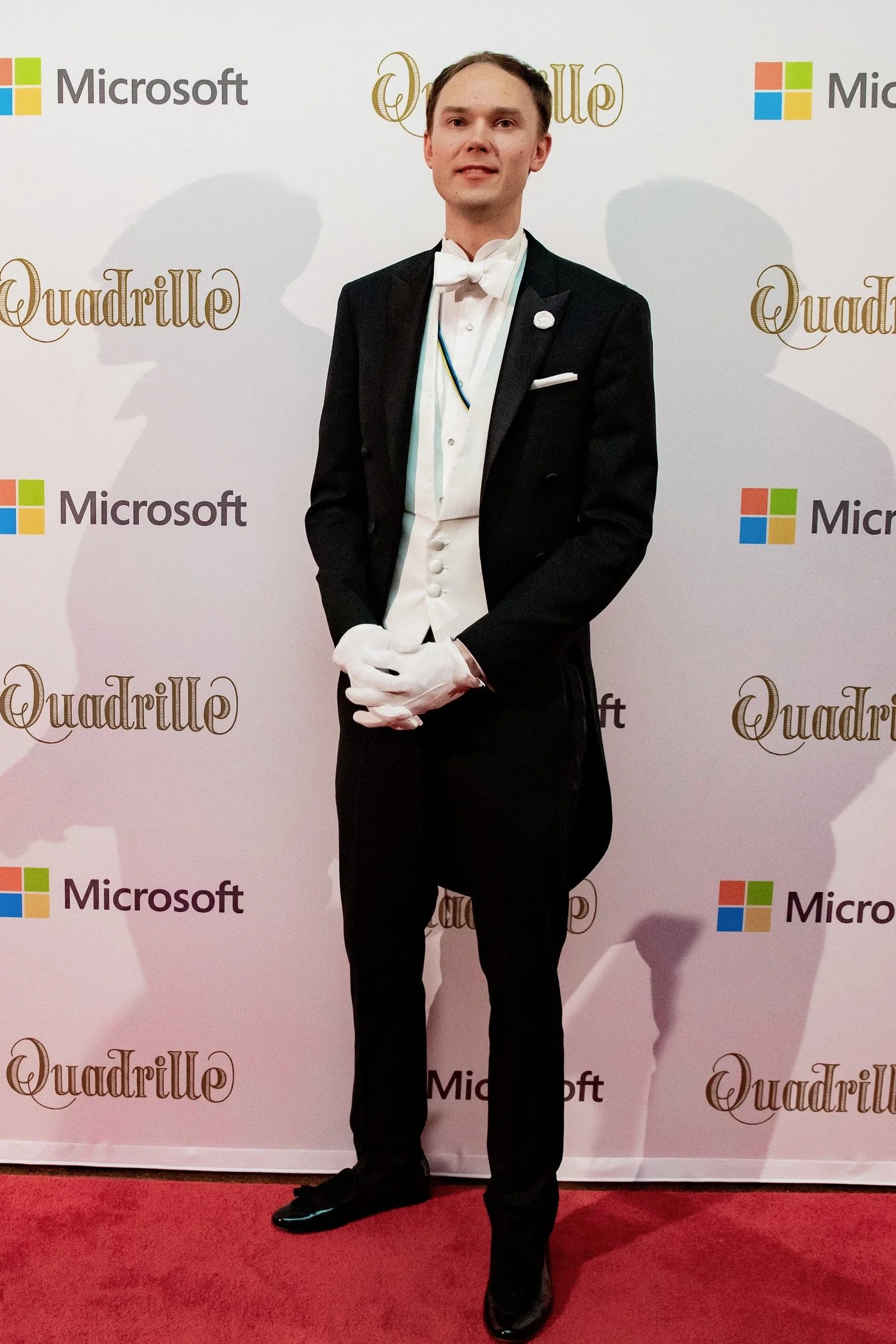
Karl-Herbert Grabbi (1993 - ), was born in the U.S. and experienced a transatlantic upbringing that connected him to both American and European cultures. Frequently traveling between these two continents instilled in him a unique perspective—rooted in both the American drive for entrepreneurship and the old-world values of refined perspective, deliberate craftsmanship and classical reverence. He has graduated with an undergraduate degree in finance, obtained the Chartered Financial Analyst (CFA) designation, and completed post-graduate studies in data science/AI. During university, he held summer internships at a $6bn hedge fund and investment bank in Washington D.C.
He has had extensive experience as an AI Governance manager at PricewaterhouseCoopers (PwC). In his role, he was responsible for helping oversee the governance processes for PwC's $1 billion investment into Artificial Intelligence. This included advising PwC's C-suite leaders and Clients on AI solutions that should be built, acquired, and utilized, all while keeping in mind responsible AI best practices. His role combined elements of a research think tank, strategy consulting, and corporate venture capital. Prior to this, he led product growth and strategy at Pactum AI, the world's first autonomous negotiation AI startup. He played an instrumental role in helping the startup scale and raise a total of $30 million through Series A funding.
He is currently deeply involved in building and scaling Credo AI, which is the category-defining leader in AI governance, helping the world’s most iconic enterprises scale AI responsibly.
Credo AI’s Governance Platform and proven Advisory Services empower organizations to confidently adopt and scale trusted AI — from Generative to Agentic. Their centralized platform measures, monitors, and manages AI risk, enabling customers to maximize AI’s value while mitigating security, privacy, compliance, and operational challenges. With Credo AI, teams gain a single command center for AI oversight across use cases, models, datasets, agents, and vendors. By ensuring alignment with global AI regulations, industry standards, and company values, Credo AI helps future-proof AI investments and drive long-term value.
Karl-Herbert has 10+ years of experience in investing, advising startups, and planning/running private forums and gatherings. Following in the footsteps of his great-grandfather, Karl has built a global community of business, diplomatic, academic, artistic and philanthropic leaders, who he convenes under common values of global collaboration, wisdom exchange, and creative problem solving.
He has also co-founded a nonprofit organization called Teamesteem, that helped over 100 disadvantaged youth learn financial literacy, find mentors, and obtain internships/jobs. He sits on the junior boards of the Irish Georgian Society, which helps preserve classical architecture in Ireland and around the world, and MetroSquash, which empowers youth through the sport of squash. He is an active member of the University Club of Chicago and serves on the Club's admission and reciprocal club committees. Never far from his Estonian roots, Karl is the principal of the Chicago Estonian School, a Sunday school that teaches the Estonian language, history, and culture to youth in Chicago.